
The human brain, is the most important part of our body and is protected by multiple layers, including the blood-brain barrier that keeps out pathogens and toxins that may be in our blood. But it can also keep potential treatments from reaching their target. In addition, the sheer complexity of the brain, with a variety of passages leading in and out, means that there is no single approach or technology that could work for every neurological disease. “We are all here because we want to work on potential treatments for people with neurological diseases,”. And we don’t want to limit ourselves by focusing on a single method – we want to identify the target and the best way to modulate it so that we can get treatments to those who need them.” But it’s also about giving people treatment options, she says. “The best way for us to do that is by investigating multiple methods of treatment that target these diseases using different techniques.
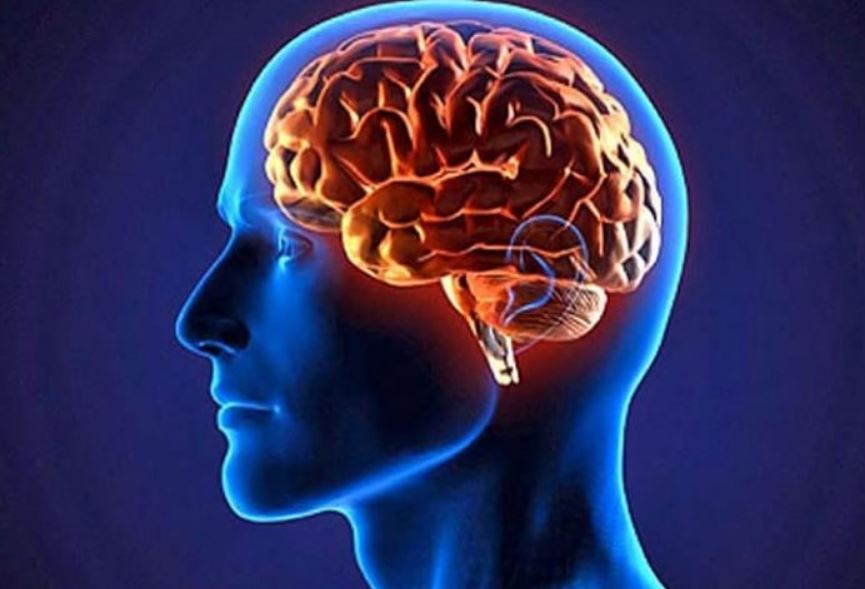
The human brain, is the most important part of our body and is protected by multiple layers, including the blood-brain barrier that keeps out pathogens and toxins that may be in our blood. But it can also keep potential treatments from reaching their target. In addition, the sheer complexity of the brain, with a variety of passages leading in and out, means that there is no single approach or technology that could work for every neurological disease. “We are all here because we want to work on potential treatments for people with neurological diseases,”. And we don’t want to limit ourselves by focusing on a single method – we want to identify the target and the best way to modulate it so that we can get treatments to those who need them.” But it’s also about giving people treatment options, she says. “The best way for us to do that is by investigating multiple methods of treatment that target these diseases using different techniques.
Pharmacology is the science dealing with biochemical and physiologic aspects of drug effects, including absorption, distribution, metabolism, elimination, toxicity doses, and specific mechanisms of drug action
Address
No.138C Taramani CSIR Road Chennai 600113
Email
info@pharma.ind.in